


TALLINN — In a stunning and entirely expected twist, the Tallinn city government has announced that every tram journey will now be subject to e-Residency regulations. Residents must now fill out an internal travel permit application before boarding any tram within the city limits. Juri, a long-time tram commuter, expressed his disbelief: “I thought we were free to move around. Now I need to fill out forms for my daily trips? Is this some kind of joke?”
Paperwork Takes the Train
This new regulation, instituted under the guise of ‘improving public transport efficiencies’, is expected to trust an app that simply increments the passengers’ waiting period. Mart, a software engineer and staunch advocate of e-government, believes that it will drive technological progress: “Sure, it adds 30 minutes to the average commute, but think of the efficiency gains from shredding trees for more forms!”
While the city touts increased regulations as a way to streamline traffic and improve public safety, many residents are scratching their heads, wondering how asking for an internal travel permit helps when trams are already often delayed beyond recognition. As Tiit, a long-suffering tram rider, noted, “I don’t mind the paperwork if it comes with a free leib. But if I end up missing my stop because of paperwork, what’s the point?”
“I need a permit to go grocery shopping? I just wanted to get kohv and leib!”
Government Studies Ongoing
In response to public outcry, the government has commissioned a €3.2 million study to determine how many people will actually comply with these new travel regulations. “We’re hoping to learn whether Estonians can handle more forms or if this leads to mass revolution,” said Kadri, the head of the Department of Transport. “I feel like every year we discover a new level of bureaucracy—think of it like upgrading your sauna experience.”
Passenger frustration comes at an awkward moment for the government, as it rolls out a brand new tram line allegedly designed to improve efficiency. However, the line seems to only be effective at driving passengers to the nearest e-government portal to fill out their travel applications.
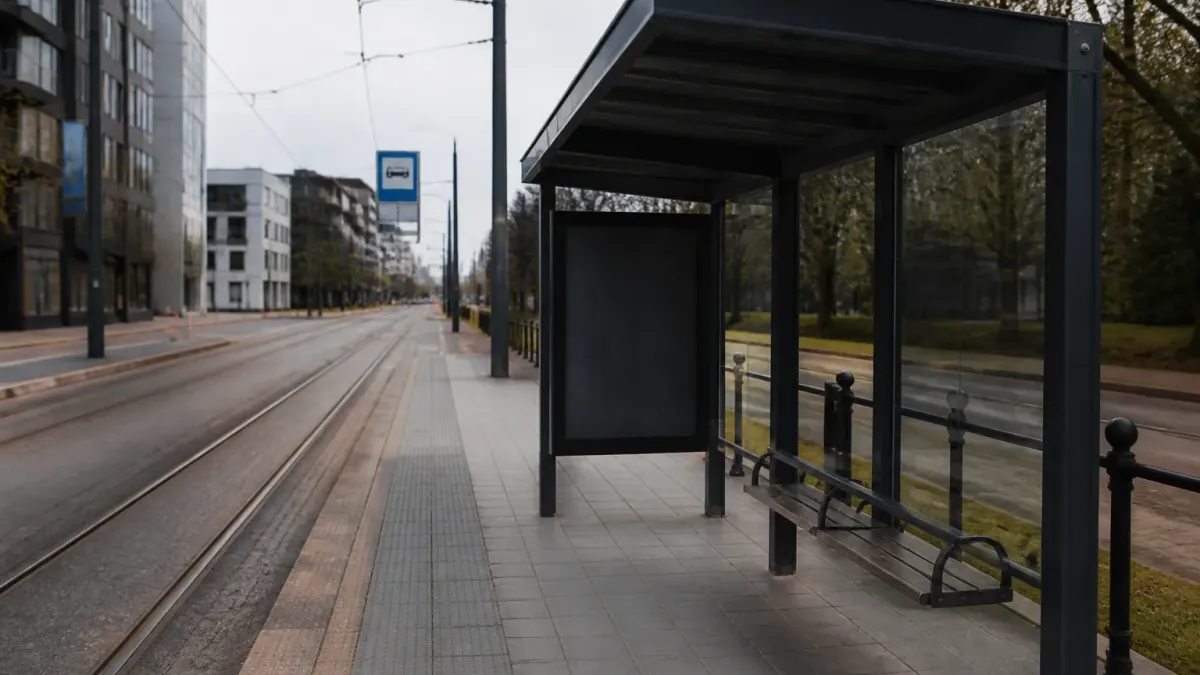
To further complicate matters, the government has introduced a series of biometric checks at tram stops, where residents are required to scan their irises and provide a DNA sample before embarking on their journey. “I mean, what’s next? Will I need to provide a lock of my hair?” questioned Marit, a bewildered tourist visiting from France.
“If I’m being asked to submit a swab, I’d rather take the Bolt to the Melu Club instead!”
The Future of Public Transport: Kompromiss!
As Estonia continues its journey toward e-Residency enlightenment, many are left wondering how this will impact daily life. “Next thing you know, we’ll have to pay to enter a sauna,” exclaimed Peeter, an outspoken sauna enthusiast. “What’s next, a travel tax for the song festival?”
Moreover, in an ironic twist, the city has announced that the new regulations will exclude expats, as they are still trying to navigate the labyrinth of Estonian bureaucracy. Aivo, an expat living in Tallinn, shared his relief: “I don’t fully understand the rules here yet, and now I don’t have to? Finally, a break!”
At press time, residents were observed creating informal support groups, where they could fill out forms together over coffee and black bread while complaining about the tram system.