


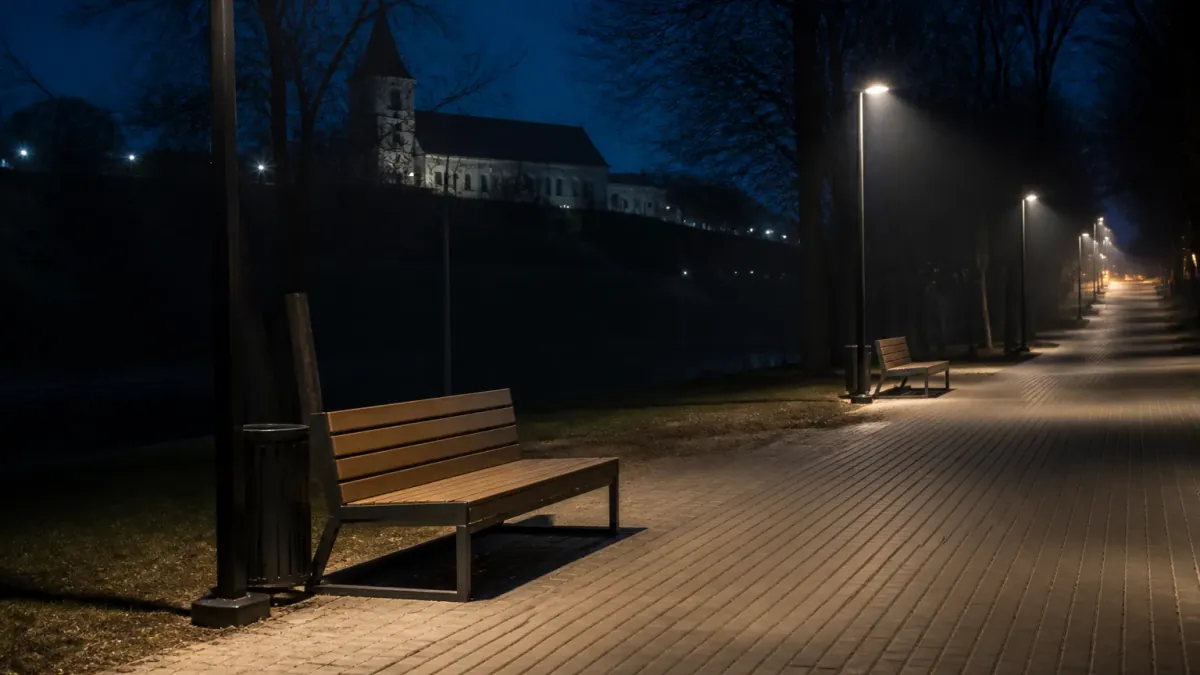
TARTU — In an unprecedented step towards a more cultured nightlife, Tartu city officials have announced a groundbreaking new policy mandating that residents must be in bed by 10:30 PM to facilitate the development of a more sophisticated evening atmosphere. City Council member Kadri Kask stated, “We’ve noticed an alarming trend: people are going to bed too late and waking up grumpy. This will improve both mood and music appreciation at local venues.”
Early Nights, Happy Days
The policy will formally be known as the “Tartumaa Sleep Initiative” and aims to minimize alcohol-fueled ruckus and foster a vibrant arts scene. Kask emphasized, “By going to bed early, citizens will wake up refreshed, ready to embrace cultural events and possibly even the local e-performance scene.”
However, skeptics argue that more rest isn’t the only solution to enhancing nightlife. Local musician Mart Veski commented, “I can’t write a single note of music at 10:30 PM without a couple of beers! What’s next, banning guitars after 9 PM?”
“This is not just about sleep; it’s a revolution in Tartu’s identity. We might even invite Kalevipoeg to our parties.”
Napping for Culture
Not everyone is on board with this proposal. Several university students have started a counter-campaign, dubbed “Stay Up and Rebel,” arguing that creativity thrives in the nighttime hours, especially following hours of studying at the library. “You don’t get inspiration talking productivity in your sleep,” remarked student activist Liisa Järv. “Nobody writes songs waiting for morning coffee!”
To counter this rebellion, city authorities have partnered with local coffee shops to offer all-nighters filled with free coffee and cookies for those who dare to oppose the early bedtime. “We’re still win-win!” insisted Peeter, owner of Tartu’s renowned coffee haven, Kohv & Sõbrad.
Critics say that enforcing an early bedtime will lead to widespread boredom, while supporters claim that it will give residents more time to focus on important issues, like their existential dread caused by Estonia’s grey winters.
A Compromise Found
After long hours of negotiations, Tartu’s authorities arrived at a compromise: residents will be allowed to stay awake until 11 PM on weekends, provided they write an apology letter to the city council afterward. “It’s a good moral exercise,” stated Juri, a Tartu resident. “Next, they’ll want me to keep a diary.”
This new policy has drawn nationwide attention, prompting neighboring cities to consider bedtime policies of their own. Tallinn’s city council has already proposed a mandatory siesta for its residents, citing low productivity during the post-lunch hours. “Why go hard when you can go soft?” stated Mayor Peeter, clearly torn between a nap and a coffee break.
Ultimately, Tartu’s revolutionary Bedtime Policy may just be the kickstart the sleepy Estonian city needs to revive its nightlife. Or it could leave the residents nowhere to go except into their own beds, watching reruns of Kõrvalineil and dreaming of the Kalevipoeg.
“The mantra for Tartu will be ‘less partying, more sleeping.’ I think it’s genius.”
At press time, city officials were seen hurriedly drafting a proposal for naptime policies in schools, clearly not realizing the sheer depth of absurdity in their own decisions.