
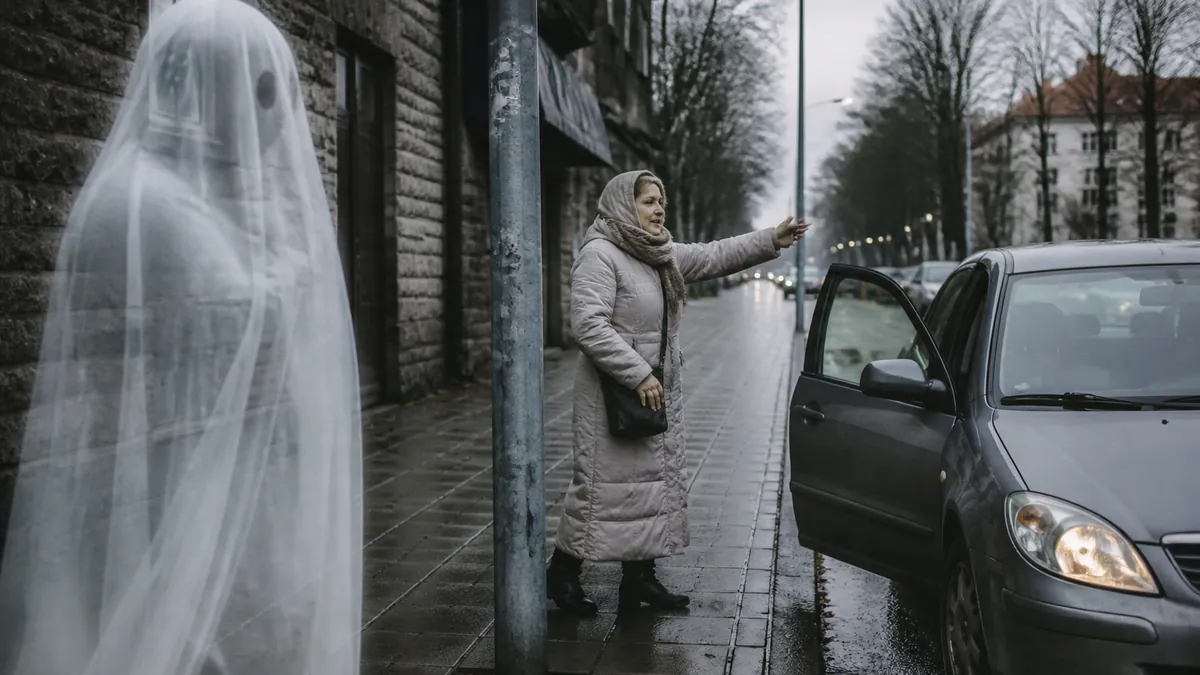
TALLINN — In a shocking turn of events, residents in Kalamaja are demanding that the Tallinn city council legalize parking for ghosts and other supernatural beings. The demand comes after a series of complaints about the lack of designated spaces for entities that may or may not exist.
Discrimination or Just a Misunderstanding?
Mart, a local ghost enthusiast and self-proclaimed ghost whisperer, stated, “It feels like ghosts are being left out of the modern urban planning conversation. It’s unfair. I mean, why can’t a friendly spirit park in front of my home without a ticket?” Residents report that several ghostly figures have been spotted unsuccessfully hovering around the neighborhood, desperately seeking places to abide.
The controversy emerged following complaints from local residents that ghosts, in their translucent glory, have been seen attempting to parallel park while floating. The city has responded with a resounding ‘no comment’, leaving many to wonder if bureaucratic red tape has truly gone ethereal.
Why is Ghost Parking a Serious Issue?
Citation from residents shows that collisions have increased by an inconclusive amount due to miscommunication between living and spirits. Kadri, who organizes ghost-centered community events in Kalamaja, expressed the community’s frustration: “We have a thriving paranormal community here. Spirits participate in cultural activities, such as sauna nights and local history walks. The least we can do is provide them a place to park.”
“When I see a ghost running to catch a tram with no parking spot in sight, it breaks my heart. They deserve better, just like anyone else.”
City Council’s Response: Avoiding the Haunting Hook
City Council members are reportedly discussing possible solutions, including dedicated ghost parking zones marked with special signs featuring images of ectoplasm and ancient runes. Peeter, a city planner, commented, “We’re trying to be inclusive. E-governance should extend to e-ghosts. Still, we need to gather more data.” Plans are in the works to conduct a study on the mobility challenges faced by the spectral populace.
Meanwhile, a non-profit organization called ‘Phantom Parking Rights’ has sprung into existence, advocating for the rights of both those who haunt and those who are haunted. Their motto? “Parking for all, living or otherwise.” Their slogan has already been seen plastered around town on posters featuring a mischievous-looking ghost next to a shiny parking meter.
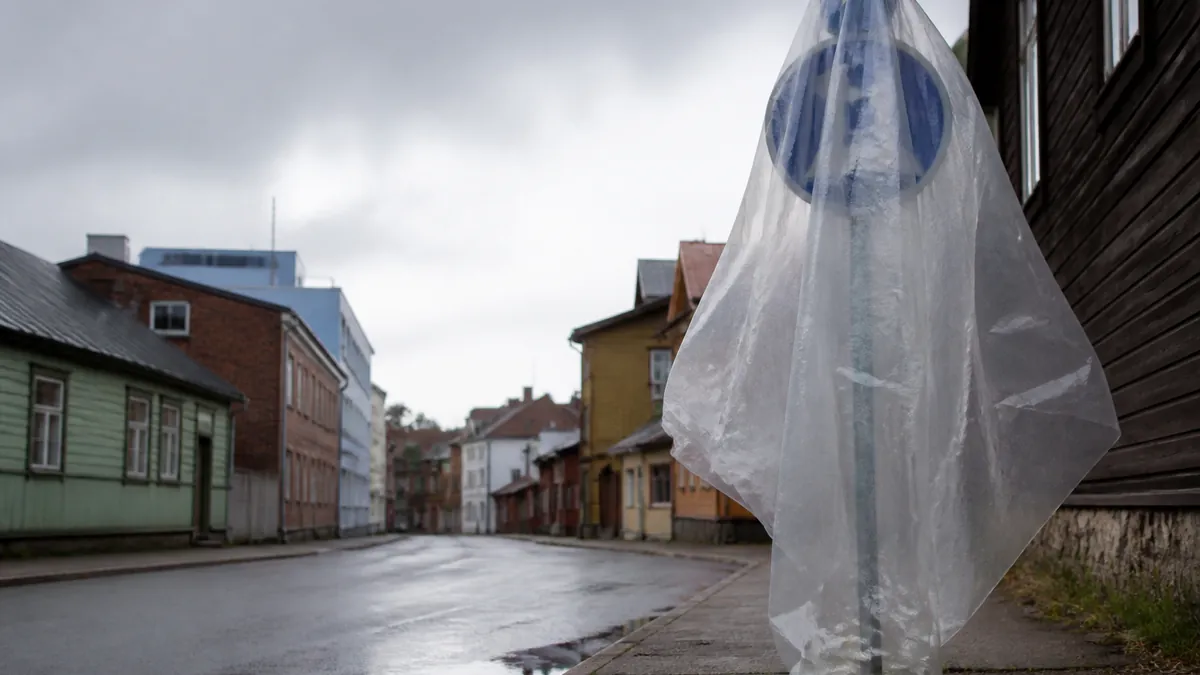
As tensions rise in the parking chaos of Kalamaja, it appears that even the spirit world is feeling the pinch in Tallinn’s competitive parking landscape. Let’s not forget that one in every three ghost sightings reportedly happens while circling around a busy parking lot, filled with questionable attitudes toward vanishing pedestrians.
“If you allow free parking for ghosts, it opens a whole new can of worms—like vampires demanding floating boat spots. We can’t have every supernatural entity back-flipping into our zoning laws!”
Conclusion: The Haunting Continues
Will city planners finally recognize the plight of the ethereal? Or will Tallinn fluffigate this paradox like a cherished piece of liib left out in the rain? As of now, the debate simmers, with city officials left sorting through ghastly complaints amid real-life policy ramifications. In a city where the elusive tram schedules are a ghost of their own, perhaps it’s time to embrace the unseen—whether it’s a spirit looking for a spot or an expat simply confused.
At press time, parking meters in Kalamaja were reportedly now equipped with motion detectors, ostensibly to prevent unfair fines for the resident ghosts.