

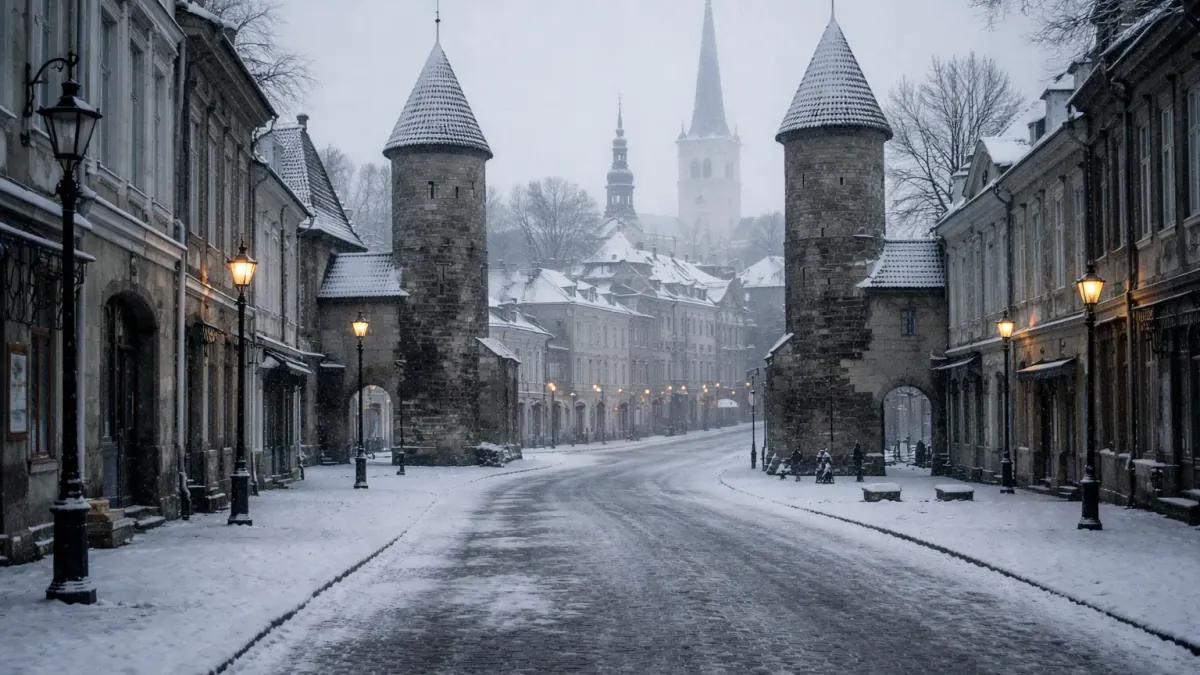
TALLINN — In a groundbreaking bid to scientifically determine the color of Estonia’s winter skies, the government has unveiled a €2.3 million research project aimed at answering the age-old question: Is winter really grey, or is it just a manifestation of our collective melancholy?
The Initiative
The initiative, dubbed “Project Rante,” (an acronym for Researching Atmospheric Numbness to ensure Tulip Existence) is led by noted climatologist Tõnis Vihm. Vihm insists that if we can figure out if the skies are truly grey, we might also be able to confront more daunting issues—like how to align the public transportation schedule with the mood swings of its passengers.
“It’s important to know how much of winter’s grey is real and how much comes from our souls, which seem to slowly fade each December,” said Vihm, sipping a lukewarm kohv while peering out of the research center’s frosted window.
“If we can prove the skies are grey objectively, maybe we can convince our citizens to be less melancholic. Or at least allow them to blame the sky instead of their life choices.”
The Research Team
To conduct this extensive study, a team of e-residents, who have only experienced one Estonian winter via video call, will be dispatched across the nation armed with color sensors and a healthy supply of leib. The sensors will collect atmospheric data during peak winter months while the researchers engage in sauna therapy to soothe their existential dread.
“We’ll be alternating between languishing indoors and determining if the light’s absence directly correlates with depression levels,” said Juri, a member of the research team. A five-time sauna champion, he added, “It’s crucial to ensure that the sauna’s warmth is used scientifically, not just for the sake of comfort!”
Funding Sources
The study’s funding is a curious mix of government grants and hefty donations from local sauna manufacturers, who believe the results may impact how they market their products. Understanding of this research is vital because, let’s face it, who doesn’t want an anxiety-relieving sauna experience even when it’s cold enough to freeze the bridges off?
While many residents are skeptical of the necessity of such a study—and of spending €2.3 million on figuring out basic weather patterns—Kalev, an avid leftist who enjoys discussing the weather with strangers in Tallinn’s Old Town, said, “At least it’s better than debating whether Satumaa is a real place or just a figment of our imagination.”
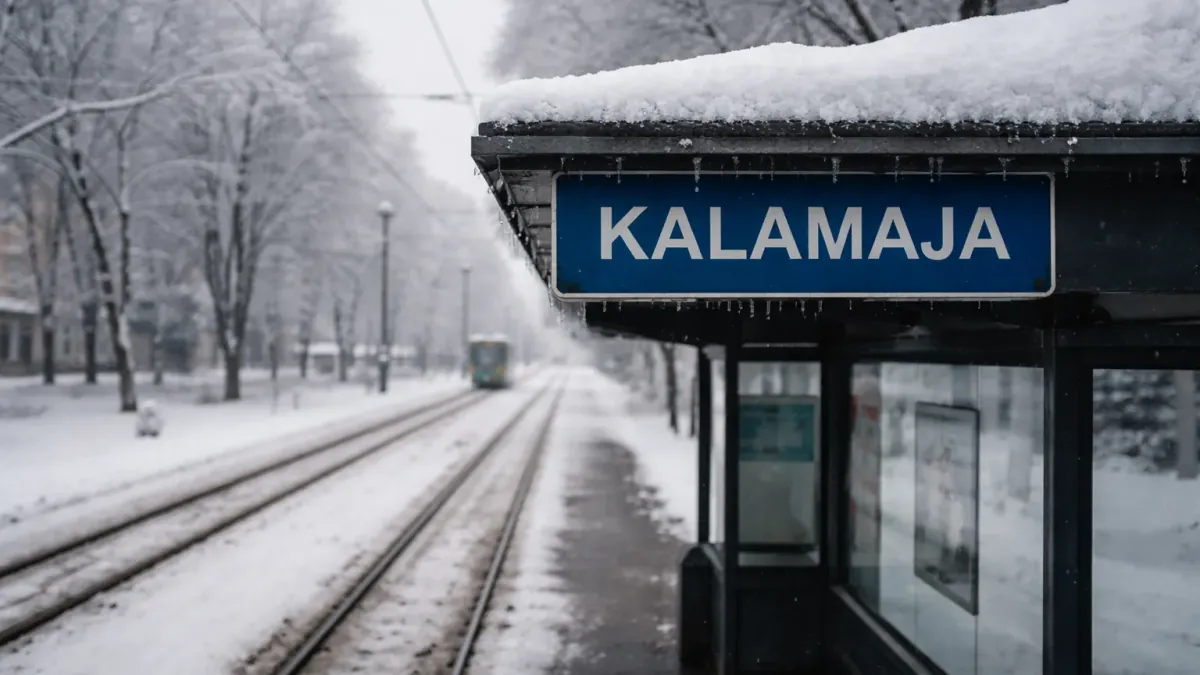
”The only thing we need to study is why there’s never enough parking in Kalamaja during the winter months. That’s the real mystery!”
The Public’s Response
As news of the study spread, it inspired a variety of responses across social media. Some supportive, some downright absurd. One user suggested a companion study on why there’s always a line at Rimi during the first snow, while another proposed an analysis of emotional weather patterns related to tram delays.
“What will they study next? Whether ice fishing is actually fun or just a manifestation of desperation?” complained Reet, a self-proclaimed winter critic.
Looking Ahead
While the research is set to kick off next month, the results won’t be available until at least spring, leading many to wonder if the grey skies will have a chance to turn blue—or if we’ll just end up with further proof of our dreary reality.
“Still,” sighed Mart, an eternal optimist, “At least they’re trying to tackle this problem, kind of like how we tackle tourism in Tallinn during the Song Festival—grudgingly but with enthusiasm!”
At press time, officials confirmed that the study’s new mascot will be a grey cloud named “Muri” who promotes awareness of Estonian winters through social media.